
Panoramic slope monitoring radar


1,Overview
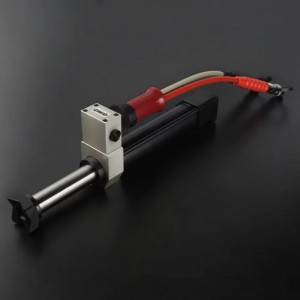
The PSR-5000JH emergency ultra-portable slope monitoring radar is based on the circular synthetic aperture radar system, wideband frequency modulated continuous wave signal form and phase difference interferometry technology. It features a 120° wide coverage with a linear slide rail, fine deformation measurement, and all-weather and all-time environmental adaptability. In particular, it has been designed with a focus on the rapid response requirements of emergency rescue tasks, emphasizing lightweight, portability and low power consumption. This has resulted in industry-leading volume, weight, power consumption indicators and portability. The device adopts an edge computing architecture, with all functions such as information processing, positioning and orientation, and wireless communication integrated within the body. The entire machine weighs only 8 kilograms and can be easily carried and deployed by a single person. It can quickly and flexibly enter the disaster rescue site with the emergency rescue team and quickly reach the working state. The device can continuously and accurately monitor and provide timely warnings for slopes, dams, mountains, buildings and other structures at the rescue site, eliminating the safety threats of secondary disasters to rescue personnel and equipment.
2,Features
Open pit mines, geological landslides/collapses, emergency rescue, water conservancy dams, urban subsidence
Subway transportation, large bridges, high-rise buildings, wind turbine towers, railway slopes
3,Functions
(1) The measurement accuracy of deformation reaches 0.1mm, and the maximum data update rate is 30 seconds per time. The sensitivity of deformation monitoring is very high.
(2) The microwave has strong penetrating power and possesses the capability of monitoring 24/7. It is not affected by rain, snow, fog, smoke, or dust.
(3) Utilizing circular imaging and continuous-wave radar technology, it is capable of monitoring the 120° mobile rail-type full-circle environment.
(4) The body adopts an edge computing architecture. All information processing is completed within the body. It can be equipped with a satellite compass and a wireless router, enabling single-machine deployment. The setup and configuration are much faster.
(5) Equipped with remote control for adjusting the electric pitch angle, it can flexibly monitor in high-altitude and mountainous areas with significant elevation differences;
(6) The software adopts a B/S architecture. It can be used to monitor the laptop in real time via LAN/WiFi, and can also be remotely monitored via 4G/5G mobile networks for cloud-based monitoring.
(7) Unique and advanced adaptive atmospheric disturbance compensation algorithm, with the error caused by atmospheric disturbances being less than 2mm per day;
(8) Unique adaptive monitoring and early warning function. It allows for manual or automatic addition of monitoring points and monitoring areas, and supports 4 levels of configurable audible alarms, text messages, and email alerts.
(9) Excellent environmental adaptability, with IP65 protection level. The working temperature can drop as low as -45ºC, and it supports continuous operation in outdoor environments without any protection.